THE BRAIN BRAKE
V9 DRAFT. The film in twelve phases, in order. Under each one is everything we have that belongs to it, drawn and shot, kept and abandoned. It is a brainstorming board, not a selection: nothing here is chosen yet. Only phase 1 is locked.
A two minute film for the Breakthrough Junior Challenge. A fourteen year old asks why a runner with nothing left can still find one more sprint.
Title
NOT DRAWN YETThe film opens on its own title, drawn in the film’s hand.
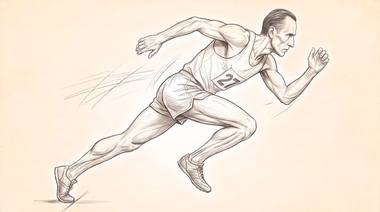
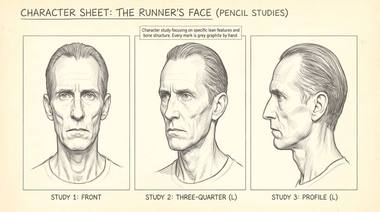
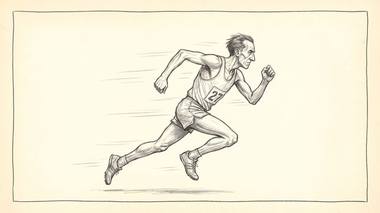
The marathon runner
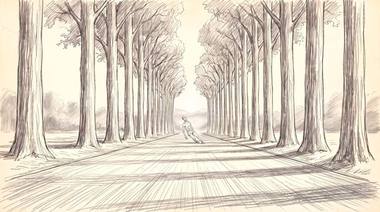
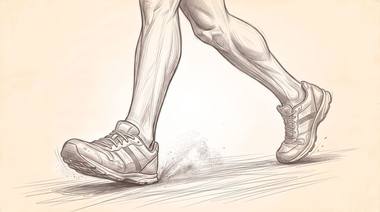
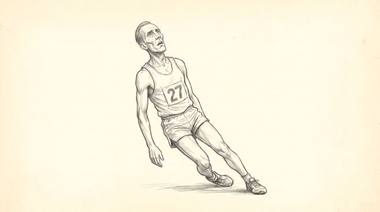
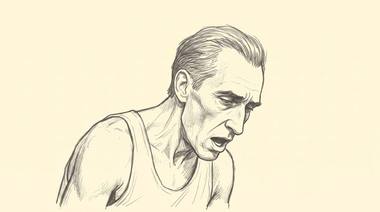
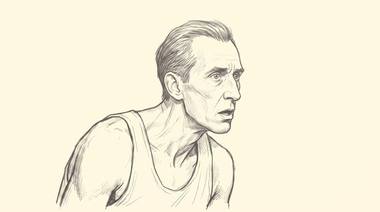
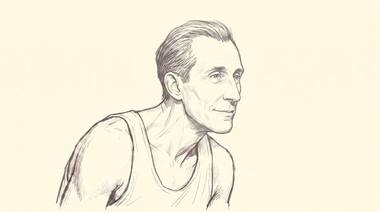
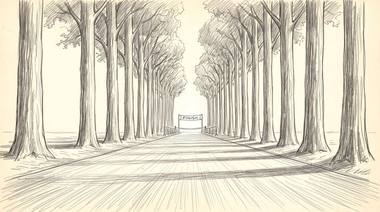
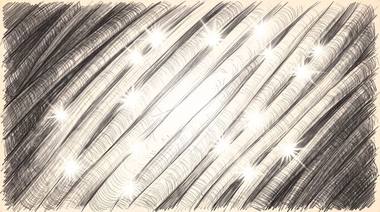
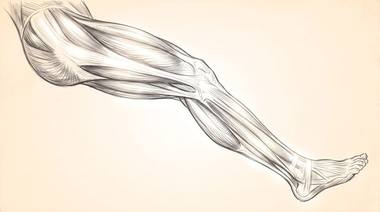
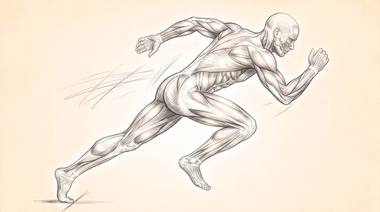
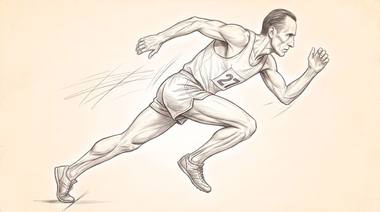
NOT DRAWN YETA MARATHON RUNNER runs. Not the boy: a man who has done this all his life, which is what makes the question worth asking. The world he runs through is rubbed up out of the paper, nature before anybody stands in it: road, then trees, then shoes, then legs, then the man.
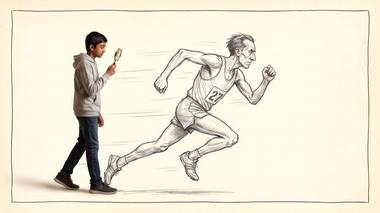
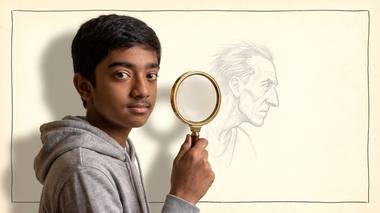
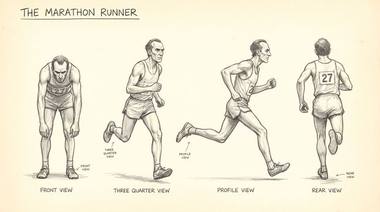
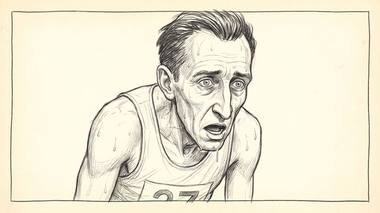
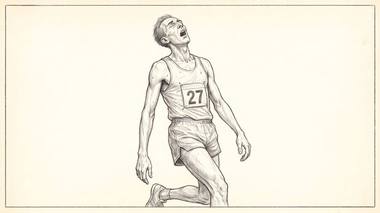
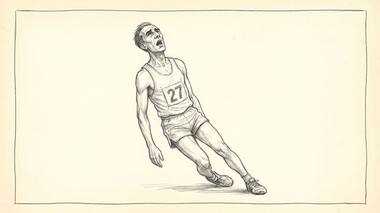
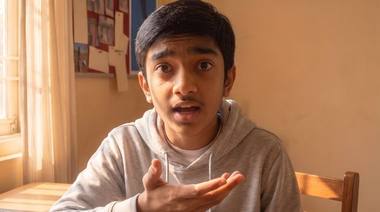
The frame freezes, and Manan walks into it
NOT DRAWN YETTHE RUNNER STOPS DEAD, mid stride, and the film holds him there. Manan walks into his own frozen frame with a magnifying glass and looks the runner over, close, curious. This is the moment the film acquires its subject: not a man running, but a boy who wants to know WHY he stops. Everything after this is him feeding that curiosity.
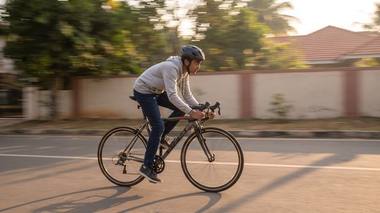
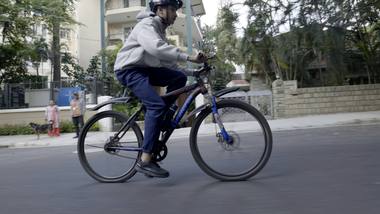
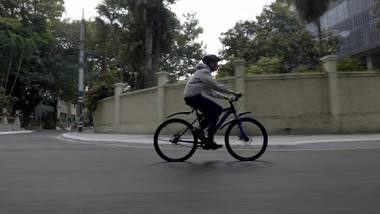
He tests it on the bicycle
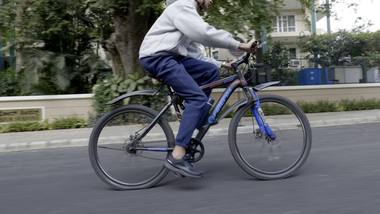
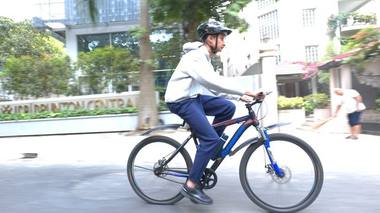
NOT DRAWN YETCuriosity becomes an experiment. He takes the bicycle out on the street and pushes at the limit himself, because a question you can ride is better than a question you can only read.
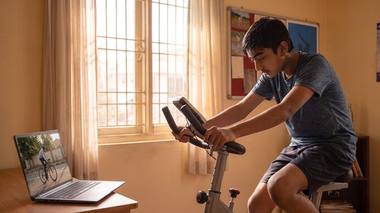
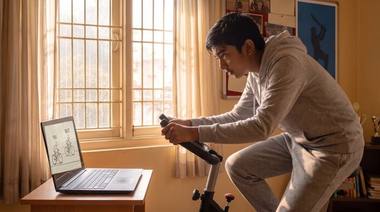
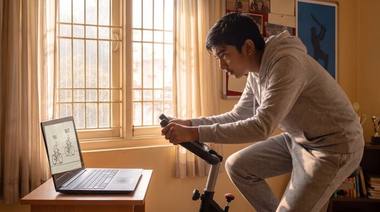
He races himself
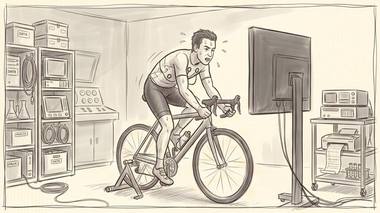
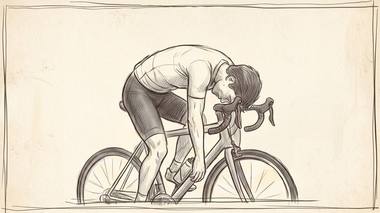
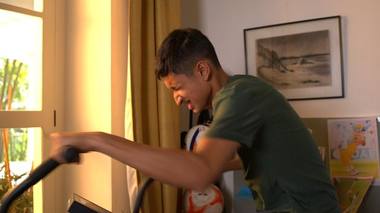
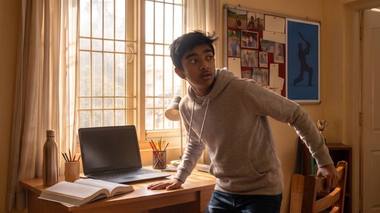
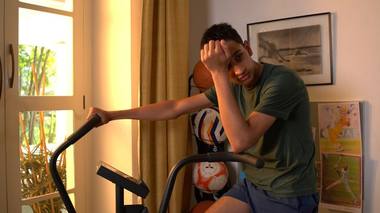
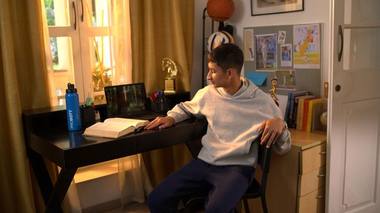
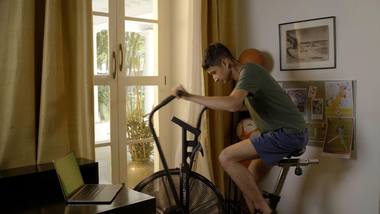
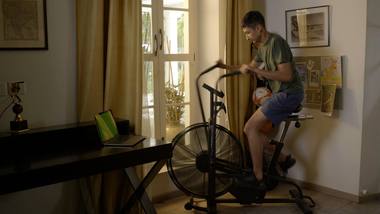
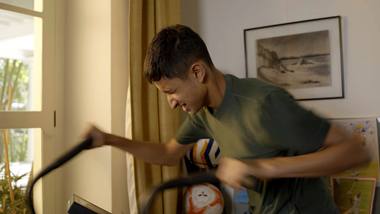
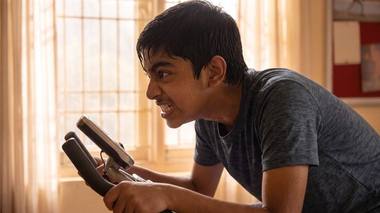
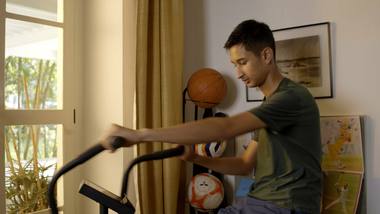
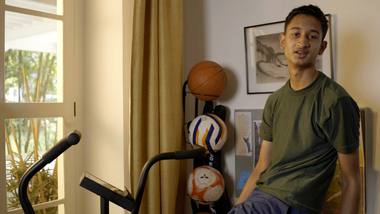
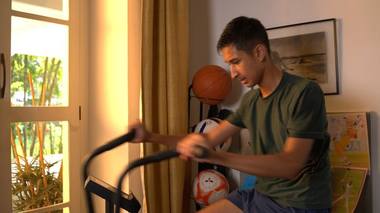
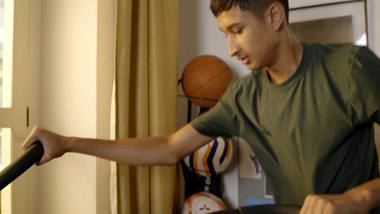
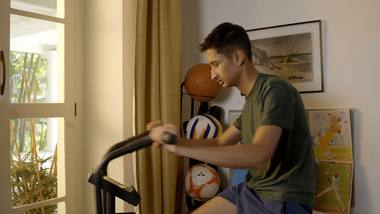
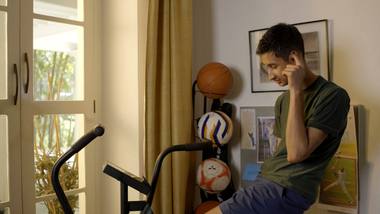
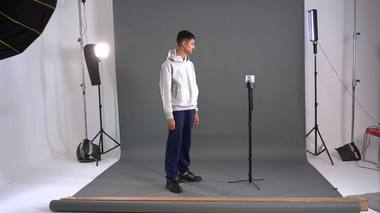
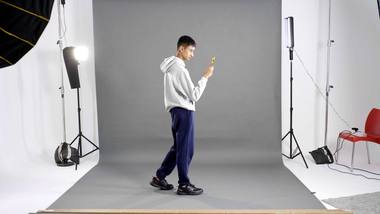
NOT DRAWN YETIndoors, on the trainer, with his own earlier ride playing back on the laptop in front of him. He is racing HIMSELF. There is no opponent, no clock, nobody watching: the only thing he is trying to beat is what his own body did an hour ago, which is exactly the argument the film is about to make. He pushes until he collapses.
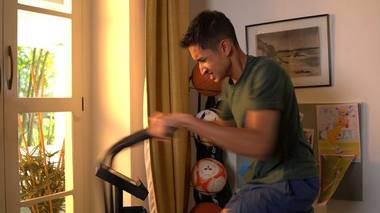
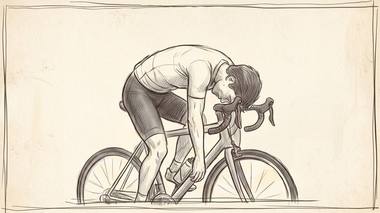
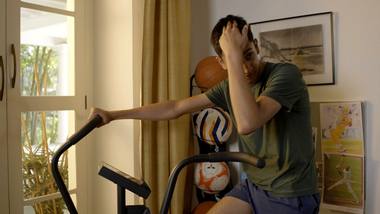
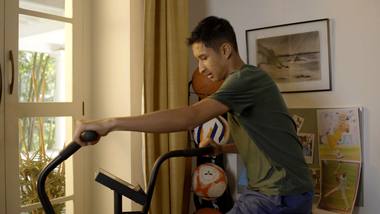
He closes his eyes
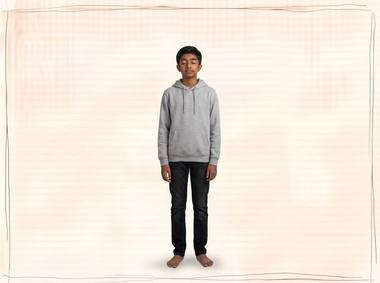
NOT DRAWN YETHe stops, breathes, relaxes. Out to white.
The vortex, up
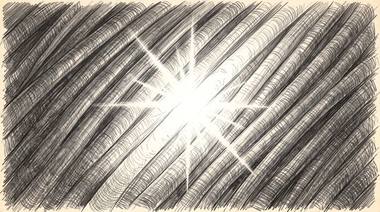
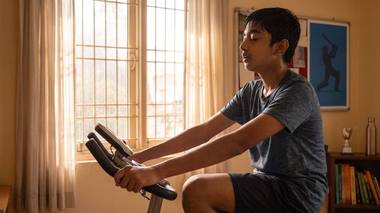
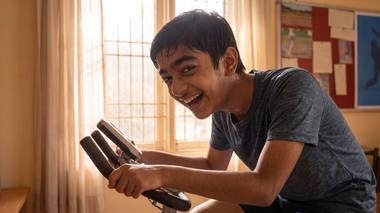
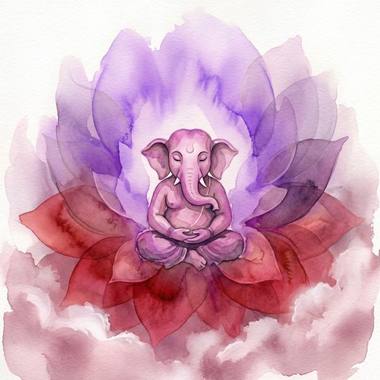
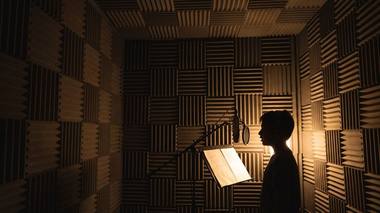
NOT DRAWN YETHe closes his eyes and goes into the light. While he is travelling through it The vortex rises, opens, and is gone, and the white closes around him exactly as it opened. Never explained, never mentioned. Then the light fades down.
The house of the body
NOT DRAWN YETThe light fades and he is standing in front of the door, and the door is giving off light too. He opens it and goes in, and only then do we see the building he is inside: the corridor of named doors, the rooms behind them, the threshold at the far end. Organic architecture in the manner of Gaudi throughout.
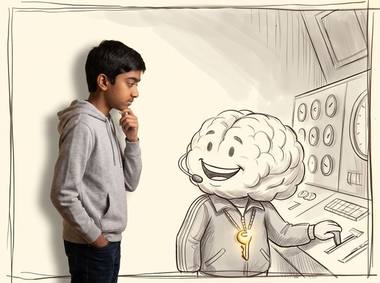
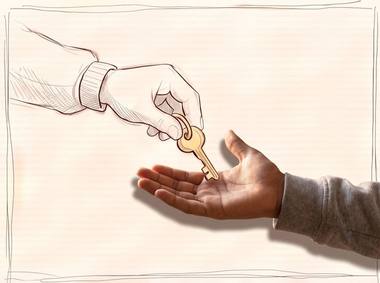
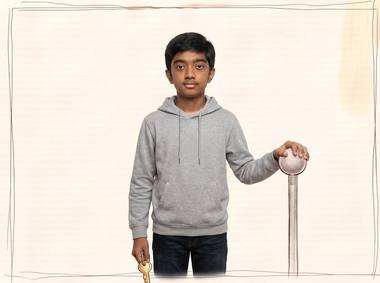
He sees the key, and goes in
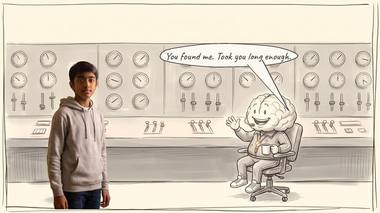
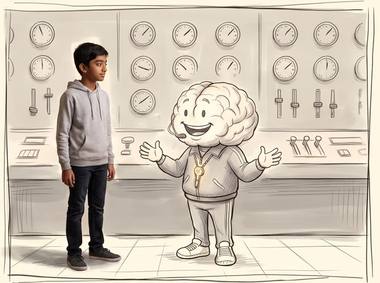
NOT DRAWN YETA second door, bone, with a plate reading COACH BRAIN. He opens it the same way he opened the first and goes in. What happened? I pulled the brakes on you.
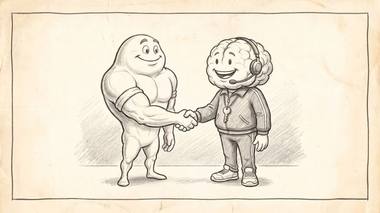
They introduce each other
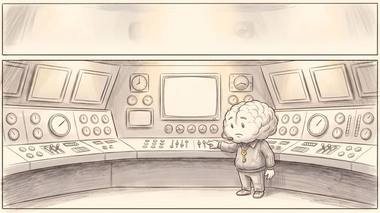
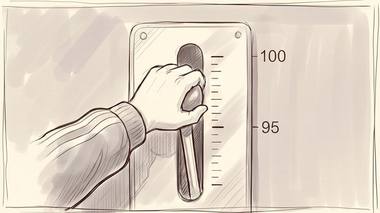
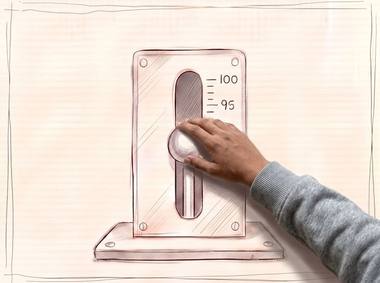
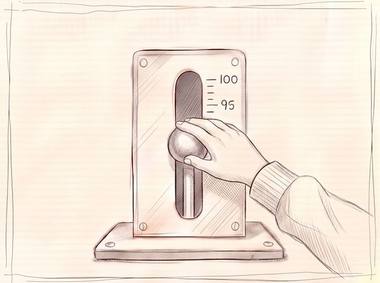
NOT DRAWN YETManan explains what he read on a blackboard in white chalk. Coach Brain answers on a whiteboard in black marker. Same layout, same three lines, same gauge, every value reversed.
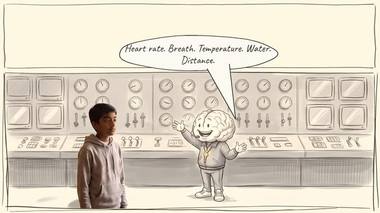
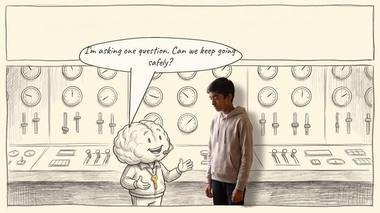
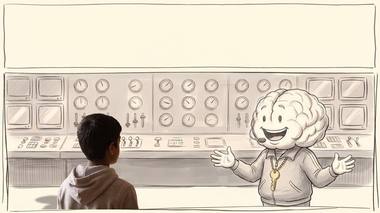
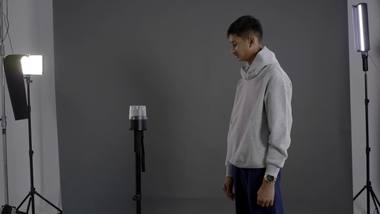
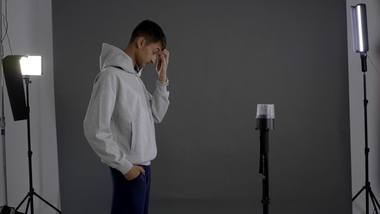
The two theories, on the board
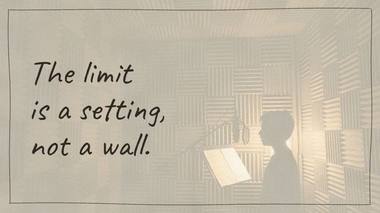
NOT DRAWN YETWe fly at the banner reading THE LIMIT IS A SETTING and pass through it into white. Manan says the line while we are flying.
Style reference — RSA Animate, Cognitive Media
THIS IS THE STYLE FOR BOTH THEORY SECTIONS. RSA Animate, drawn by Andrew Park at Cognitive Media. A hand draws the argument on the board while the voice explains it, in real time, and the drawing spreads sideways across the surface instead of being cut to when finished. That live scribing is exactly what we want: Manan's chalk drawing itself as he speaks, then Coach Brain answering on the whiteboard in black marker. Watch how the hand stays in frame, how pictures and words share one surface, and how the camera drifts across the board rather than cutting. These four were chosen for subject as well as style: the brain, motivation, belief changing outcome, and perception. The most viewed RSA Animates are about economics and education, which look right but say nothing to this film.
The conclusion, and goodbye
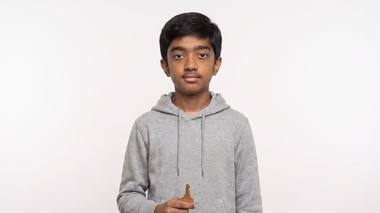
NOT DRAWN YETCoach Brain lets the key go, it falls through an empty frame, and we cut to Manan catching it. THE END.
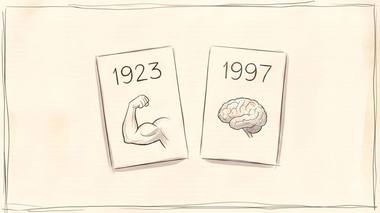
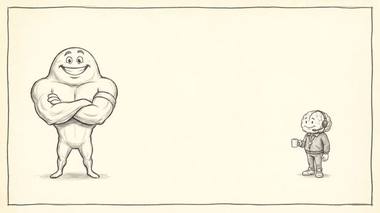
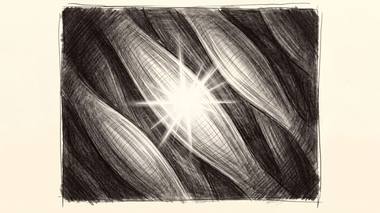
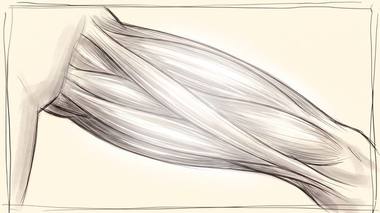
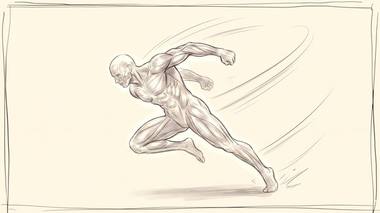
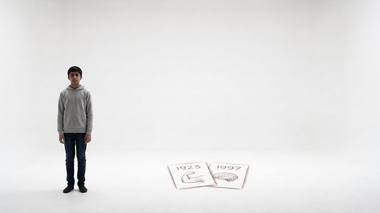
Style reference — RSA Animate, Cognitive Media
THIS IS THE STYLE FOR BOTH THEORY SECTIONS. RSA Animate, drawn by Andrew Park at Cognitive Media. A hand draws the argument on the board while the voice explains it, in real time, and the drawing spreads sideways across the surface instead of being cut to when finished. That live scribing is exactly what we want: Manan's chalk drawing itself as he speaks, then Coach Brain answering on the whiteboard in black marker. Watch how the hand stays in frame, how pictures and words share one surface, and how the camera drifts across the board rather than cutting. These four were chosen for subject as well as style: the brain, motivation, belief changing outcome, and perception. The most viewed RSA Animates are about economics and education, which look right but say nothing to this film.
The vortex down, and the key falls with him
NOT DRAWN YETSeven classical cards, in the longer version only.
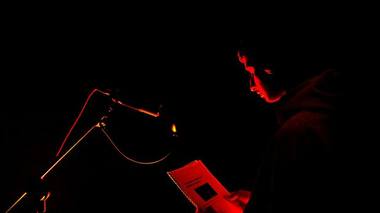
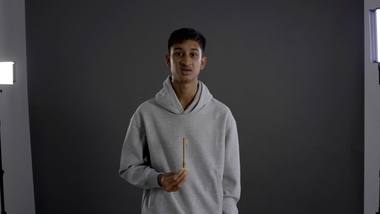
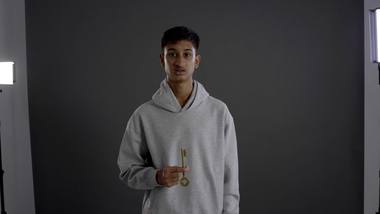
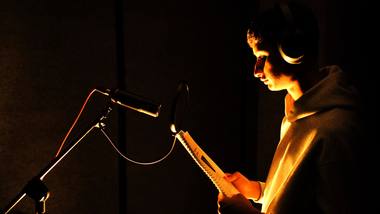
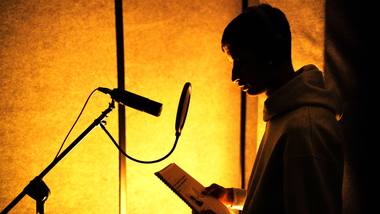
He catches it
NOT DRAWN YETCredits, and the dedication
NOT DRAWN YETThe sheets, the frame, the layer rules, the frame rate scale, the glossary and the full change log are on the breakdown page.
THE BRAIN BRAKE
The Central Governor Theory · Breakthrough Junior Challenge 2026